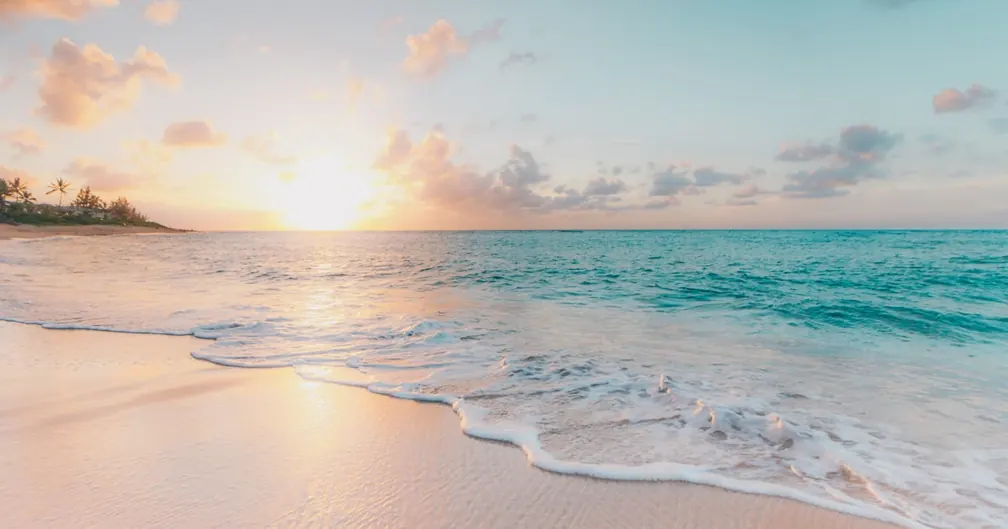
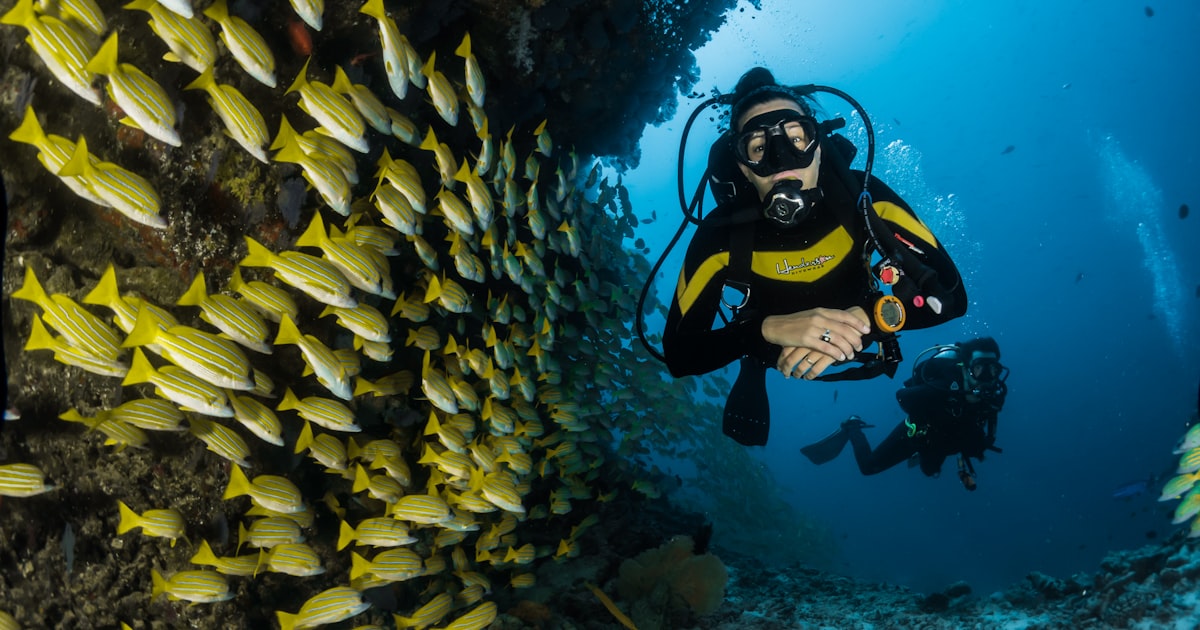
Ibiza's coastline looks spectacular from above — but slip beneath the surface and you'll discover an entirely different world. The island sits within one of the Mediterranean's healthiest marine ecosystems, largely thanks to the vast Posidonia oceanica seagrass meadows that were declared a UNESCO World Heritage Site in 1999. These underwater forests support an extraordinary diversity of sea life, from colourful wrasse and octopus to barracuda and eagle rays.
The best snorkeling spots in Ibiza share one thing in common: most of them are only accessible by boat. The rocky coastline, lack of road access, and protected marine areas mean the water stays pristine and the wildlife stays abundant. Whether you rent your own boat or join a guided snorkeling experience, these are the 10 locations you need to visit in 2026.
Water Visibility by Month
Before planning your snorkeling trip, it helps to know when conditions are best. Water temperature and visibility vary significantly across the season:
| Month | Water Temp (°C) | Visibility (metres) | Conditions |
|---|---|---|---|
| May | 18–20 | 20–30 | Excellent visibility, cool water, few boats |
| June | 21–24 | 25–35 | Peak visibility, comfortable water, low crowds |
| July | 25–27 | 20–30 | Warm water, good visibility, busy anchorages |
| August | 26–28 | 15–25 | Warmest water, slight plankton bloom can reduce clarity |
| September | 24–26 | 20–30 | Warm water, improving visibility, fewer boats |
| October | 21–23 | 25–35 | Excellent visibility, quiet waters, cooler mornings |
Pro Tip: June and late September offer the magic combination of warm-enough water, outstanding visibility, and uncrowded coves. If you only have one chance to snorkel, aim for these windows.
Top 10 Snorkeling Spots in Ibiza by Boat
1. Cala Xarraca — The Emerald Lagoon
Tucked into the rugged north coast, Cala Xarraca is one of Ibiza's best-kept snorkeling secrets. The cove is surrounded by rocky headlands draped in pine trees, and the seabed drops off gradually from sand into dense Posidonia meadows and volcanic-looking rock formations. The water here has a distinctive emerald-green hue caused by the mineral-rich clay that lines the shore.
What you'll see: Rainbow wrasse, damselfish, moray eels hiding in crevices, sea cucumbers, and frequent octopus sightings. The rocky walls to the left of the cove are particularly rich.
Boat access: Anchor in the sandy centre of the bay (5–6m depth). Approach from the east to avoid the shallow rocks on the western headland. Limited road access means the water stays remarkably clear even in peak season.
2. Es Vedra Marine Reserve
The legendary rock island of Es Vedra rises 413 metres from the sea off Ibiza's southwest coast, and the surrounding waters are a protected marine reserve. Landing on Es Vedra itself is prohibited, but you can snorkel the perimeter and the adjacent islet of Es Vedranell. The reserve status means fishing is restricted, so marine life here is noticeably more abundant and less skittish.
What you'll see: Large grouper (some over 50cm), barracuda patrols, schools of bream, and — if you're lucky — spotted eagle rays cruising the deeper water below. The underwater rock formations around Es Vedranell are dramatic, with swim-throughs and overhangs covered in orange cup coral.
Boat access: Approach from Cala d'Hort and anchor on the sheltered eastern side of Es Vedranell. Keep a minimum distance of 50m from Es Vedra itself. Only visit on calm days — the open sea exposure means swell can build quickly.
3. Cala d'Hort
The beach facing Es Vedra has superb snorkeling along its rocky sides. While the central beach is sandy and shallow (great for families), the real action is along the boulders on the southern edge where the seabed drops to 8–10 metres within a few strokes.
What you'll see: Ornate wrasse, saddled bream, cuttlefish, and dense Posidonia beds. The view of Es Vedra from underwater, with sunbeams filtering through the surface, is unforgettable.
Boat access: Anchor in the sandy area south of the beach. Arrive before 11 AM in summer as the anchorage fills up quickly. This pairs perfectly with a morning stop before heading to Es Vedra.
4. Punta Galera — The Natural Platforms
Punta Galera is famous for its flat layered rock platforms that look like giant steps descending into the sea. Below the surface, these formations continue — creating ledges, shelves, and overhangs that shelter an incredible amount of life. The water is deep (10m+) right off the rocks, making this spot ideal for confident snorkelers who enjoy free-diving.
What you'll see: Barracuda, large shoals of salema, moray eels, nudibranchs on the rock faces, and occasional trumpet fish. The deeper sections (5–10m) host bigger grouper and amberjack.
Boat access: There's no beach here — just rocks. Anchor in the deeper water offshore and swim in. The bottom is rocky so use a sand anchor or tie off to a buoy if one is available. Best in flat calm conditions.
5. Cala Salada & Cala Saladeta
This twin-cove system on the west coast near San Antonio is one of the island's most photogenic spots. Cala Saladeta — the smaller, northern cove — has exceptional snorkeling along the cliff base where the rock meets the seagrass. The water clarity here regularly exceeds 30 metres.
What you'll see: Juvenile fish nurseries in the shallows, starfish, sea urchins, parrotfish, and dense shoals of damselfish along the rock wall. The Posidonia meadows between the two coves are some of the healthiest around Ibiza.
Boat access: Anchor between the two coves on the sandy patches. During summer, the anchorage fills by midday, so arrive early. The coves face west, meaning mornings have the best light for underwater visibility.
6. Portinatx — Three Coves of the North
The Portinatx area on Ibiza's northern tip comprises three connected bays: S'Arenal Gros, S'Arenal Petit, and Playa Porto. The rocky headlands between them offer outstanding snorkeling with dramatic underwater topography — caves, tunnels, and boulder fields. The north coast is generally less visited, meaning the marine life here is exceptionally relaxed.
What you'll see: Grouper, octopus, fireworms, painted comber, and shoals of two-banded bream. The small caves at the base of the cliffs between S'Arenal Gros and S'Arenal Petit are particularly rich.
Boat access: Easy anchorage in S'Arenal Gros on sand (5–7m). Use this as a base and snorkel along the headlands in either direction. The water here is sheltered when the wind blows from the south or west.
7. Tagomago Island
This small private island off Ibiza's east coast is surrounded by pristine waters with minimal boat traffic. While the island itself is privately owned, the sea around it is open for navigation and swimming. The western (sheltered) side has a dramatic underwater wall that drops from 3m to 20m+, covered in colourful sponges and fan coral.
What you'll see: This is one of the best spots for larger species — barracuda, dentex, amberjack, and sometimes even small tuna pass through. The rocky seabed hosts grouper, moray eels, and large scorpionfish. Visibility regularly exceeds 30 metres.
Boat access: Anchor on the western lee side on sand/rock at 8–10m depth. The crossing from Santa Eulalia takes 20–25 minutes by motorboat. Only visit on calm days — the island is exposed to east and north winds.
8. Cala Mastella
A tiny, hidden inlet on the east coast, Cala Mastella feels like a natural swimming pool. The narrow entrance opens into a sheltered mini-bay surrounded by pine-covered cliffs. The water is shallow (2–4m) and incredibly clear, making this perfect for beginner snorkelers and families with children.
What you'll see: Shoals of juvenile bream and mullet, hermit crabs, small cuttlefish, starfish, and colourful gobies on the sandy bottom. The rocky edges harbour sea urchins and blennies.
Boat access: The entrance is narrow — approach slowly and check depth. Anchor just outside and swim in, or carefully nose into the bay if your boat is small. There's a famous fish restaurant (El Bigote) onshore — perfect for a post-snorkel lunch.
9. S'Espalmador — Formentera's Wild Island
Technically part of Formentera, the uninhabited island of S'Espalmador sits in the narrow strait between Ibiza and Formentera. The shallow waters (1–5m) around the island are crystal-clear and teeming with life. The northern tip has natural mud baths, while the southern end offers some of the clearest snorkeling water in the entire Balearics.
What you'll see: Large shoals of mullet, bream, and salema over vast Posidonia meadows. Stingrays rest on the sandy bottom. The shallow water and bright sand create perfect conditions for underwater photography.
Boat access: The crossing from Ibiza takes 30–45 minutes. Anchor on the western side on sand (be careful of the shallow reef on the northern approach). You need a licensed boat or skipper to make this crossing — the easiest option is a dedicated Formentera boat trip from Ibiza that includes the S'Espalmador stop.
10. Atlantis (Sa Pedrera)
Ibiza's most mystical spot. Atlantis is a former stone quarry carved into the cliffs below the Es Vedra viewpoint. The quarried walls descend directly into the sea, creating underwater shelves, pools, and corridors that look like a submerged ancient city. It's only accessible by boat (or a steep, unofficial cliff path that we don't recommend).
What you'll see: The rock formations themselves are the star — carved ledges, arches, and pools full of small fish. Wrasse, damselfish, and octopus inhabit the crevices. The deep blue water beyond the quarry drop-off can reveal passing pelagics.
Boat access: Anchor in the small rocky bay at the base of the quarry. Only visit in flat calm conditions — there's no shelter if conditions deteriorate. A west coast sailing route can include Atlantis as a morning stop before the afternoon breeze builds.
Marine Life Guide: What You'll See in Ibiza's Waters
The Posidonia seagrass ecosystem supports over 400 species of marine plants and thousands of animal species. Here are the most common encounters while snorkeling:
| Species | Where to Find Them | Season |
|---|---|---|
| Grouper (Epinephelus marginatus) | Es Vedra, Tagomago, Portinatx | Year-round, bolder in summer |
| Octopus (Octopus vulgaris) | Rocky coves everywhere, especially Cala Xarraca | Year-round, more active at dawn |
| Barracuda (Sphyraena viridensis) | Es Vedra, Punta Galera, Tagomago | June–October |
| Moray Eel (Muraena helena) | Rocky ledges at Punta Galera, Portinatx | Year-round (nocturnal, visible in caves) |
| Rainbow Wrasse (Coris julis) | Every rocky shoreline | Year-round |
| Cuttlefish (Sepia officinalis) | Sandy bottoms near Posidonia, Cala d'Hort, Cala Mastella | Spring and autumn |
| Eagle Ray (Myliobatis aquila) | Es Vedra deep water, Tagomago | June–September (rare but spectacular) |
| Starfish (Echinaster sepositus) | Cala Salada, Cala Mastella, shallow rocky areas | Year-round |
Snorkeling Equipment: Rent or Bring Your Own?
Most boat rental companies in Ibiza offer basic snorkeling gear as an add-on, but the quality varies. Here's what to consider:
What Rental Companies Typically Provide
- Mask and snorkel set: Basic quality, one-size fits most. €5–€10 per set per day.
- Fins: Often available but limited sizes. €5–€8 per pair per day.
- Wetsuit: Rarely included. Some companies offer shorties (3mm) for €10–€15/day.
What to Bring Yourself
- A well-fitting mask: This is the single most important piece of equipment. A leaking mask ruins every snorkel session. Invest in a quality mask with a silicone skirt that fits your face.
- Reef-safe sunscreen: Apply 30 minutes before entering the water. Chemical sunscreens damage coral and Posidonia — choose mineral-based (zinc oxide) products.
- Rash guard or UV shirt: Better sun protection than sunscreen and eliminates the need for constant reapplication.
- Underwater camera or waterproof phone case: Ibiza's clarity makes for incredible underwater photos.
- Mesh bag: To carry gear on and off the boat without dripping everywhere.
Pro Tip: If you're serious about snorkeling, bring your own mask and snorkel. Everything else can be rented. A mask that fits your face perfectly is worth its weight in gold — rental masks are generic and rarely seal well.
Safety Tips for Snorkeling from a Boat
Snorkeling from a boat introduces some specific safety considerations that beach-based snorkeling doesn't:
- Always display the diver-down flag. The red flag with white diagonal stripe (or Alpha flag) signals to other boats that there are people in the water. Most rental boats include one.
- Designate a lookout. If you're in a group, one person should stay on the boat to watch for approaching vessels and monitor the snorkelers.
- Check current before entering. Drop a small object in the water and watch its drift. If the current is moving you away from the boat, snorkel upstream first and let it carry you back.
- Stay within 50m of the boat. It's easy to drift further than you realise when focused on something underwater.
- Never snorkel alone. Always use the buddy system, even in calm conditions.
- Be aware of boat propellers. When climbing back aboard, approach from the side and ensure the engine is off.
- Know the signs of hypothermia. Even in 26°C water, extended snorkeling (60+ minutes) can lower your core temperature. If you start shivering, get out immediately.
Ready to Explore Ibiza's Underwater World?
Browse boats with snorkeling gear included, or book a guided snorkeling experience with expert marine guides.
Browse BoatsPlanning Your Snorkeling Boat Trip
A perfect snorkeling day by boat follows a simple formula: depart early, hit 2–3 spots, and be back by mid-afternoon. Browse the full boat rental fleet in Ibiza to pick a vessel for the route below. Here's a suggested itinerary for the west coast:
- 09:00 — Depart San Antonio. Sea is calm and flat in the morning.
- 09:30 — Arrive at Cala Salada. Snorkel the cliff edges for 60–90 minutes.
- 11:30 — Motor south to Punta Galera. Snorkel the rock platforms and explore the deeper sections.
- 13:00 — Anchor at Cala d'Hort for lunch. Swim and snorkel around the boulders.
- 14:30 — If conditions allow, head to Es Vedranell for the marine reserve experience.
- 16:00 — Begin return to San Antonio before the afternoon westerly builds.
For the east coast, depart from Santa Eulalia and combine Tagomago Island with Cala Mastella. For the north coast, start from Portinatx and explore the headlands before heading to Cala Xarraca.
If you're unsure about which boat to choose, a small motorboat or RIB is ideal for snorkeling trips — they're easy to anchor, provide quick access to the water, and can reach multiple spots in a single day. For larger groups who want a stable platform to swim from all day, a catamaran charter in Ibiza gives you a wide swim deck and shaded lounging between snorkel stops.
Frequently Asked Questions
Do I need a license to snorkel in Ibiza's marine reserves?
No license is needed for recreational snorkeling anywhere around Ibiza, including the Es Vedra marine reserve. However, spearfishing and collection of any marine organisms is prohibited in protected areas. You simply need a boat to reach most of these spots — check our boat rental options for vessels that include snorkeling gear.
When is the best month for snorkeling in Ibiza?
June and September offer the best combination of warm water (22–26°C), excellent visibility (25–35m), and uncrowded coves. August has the warmest water but visibility can dip due to plankton blooms and heavy boat traffic stirring up sediment. May and October have outstanding visibility but cooler water (18–23°C) — you'll want a wetsuit.
Are there dangerous marine animals in Ibiza?
Ibiza's waters are very safe. There are no sharks of concern for snorkelers. The main hazards are sea urchins (don't step on them — wear water shoes on rocky entries), jellyfish (occasional, mostly in August — the purple Pelagia noctiluca stings but isn't dangerous), and weever fish (buried in sand in shallow water — shuffle your feet when walking). Moray eels look intimidating but won't bother you unless provoked.
Can I snorkel with children in Ibiza?
Absolutely. Cala Mastella, Cala Xarraca, and S'Espalmador are excellent for children — shallow, calm, clear water with plenty of fish to spot. Most kids aged 6+ can use a mask and snorkel with supervision. Younger children can use a clear-bottom bucket or water goggles to see underwater. Always ensure children wear life jackets on the boat and are supervised in the water at all times. Our family boat trip guide has more details.